
Quartz Remnants and Granite Remnants: What to Know Before You Buy

Walk into most Chicagoland stone shops and you’ll find a section stacked with leftover slab pieces from finished countertop jobs. These quartz remnants and granite remnants are usually too small for a full kitchen counter, but big enough for a bathroom vanity, a fireplace surround, or a one-of-a-kind side table.
A fabricator has already cut and paid for the material, so remnants typically sell for less per square foot than a full slab. That makes them a practical option for a smaller project, and it’s exactly the kind of quartz and granite remnants Granite Selection keeps in stock for buyers across Chicagoland.
What Is a Remnant?
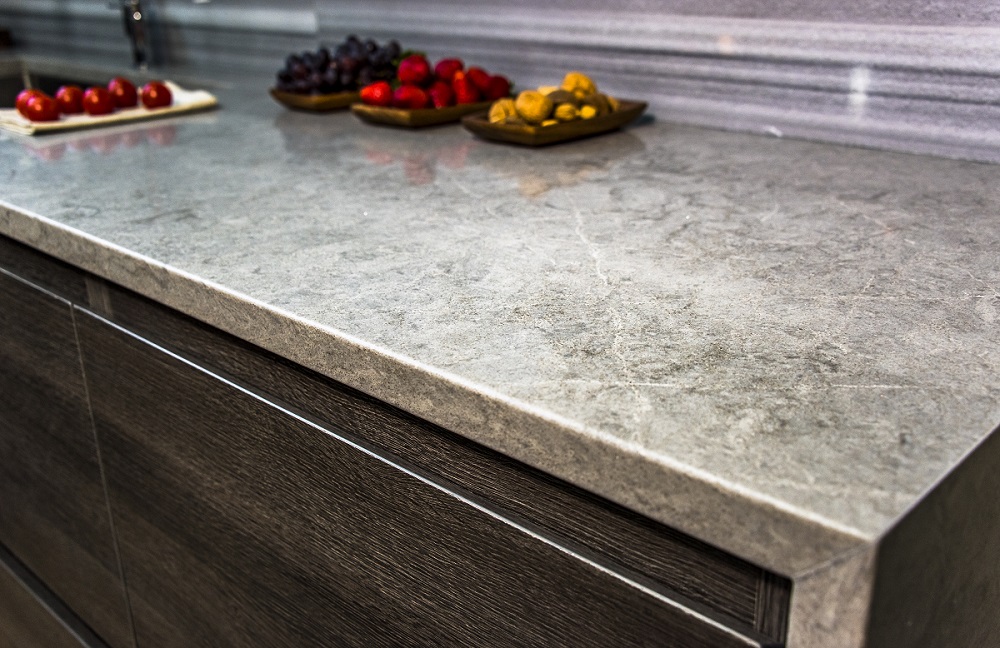
A remnant is the remaining portion of a stone slab that has already been cut for a project, such as a kitchen counter. These leftover pieces are typically sold at lower prices for smaller projects. Granite and marble remnants come from natural stone; quartz remnants come from an engineered material made of crushed quartz and resin, which is why quartz isn’t technically a ‘natural stone’ even though it’s sold, cut, and installed the same way.
There are typically two ways to get remnants:
- You have leftover stone offcuts after installing a countertop or flooring.
- You can purchase remnants such as quartz or granite from a stone fabricator.
Just remember, granite and quartz remnants from the same slab are available in limited quantities, so they’re best for smaller projects.
3 Types of Quartz and Granite Remnants
Fabricators don’t just keep a random pile of scraps. Most sort their remnant inventory into three general categories, and knowing which one you’re looking at tells you a lot about the size, shape, and price to expect before you even pull out a tape measure. Here’s how they break down:
- Remnant squares: These are the largest remnant pieces, often whole squares cut off from slabs. Half and quarter slabs give you more surface area than other remnant types, though still not enough for a full kitchen run.
- Slab slices: Narrow, sometimes irregular pieces cut from what’s left along a slab’s width. These work well for small countertops, side tables, and bar tops.
- Uneven pieces: Ideal for mosaic, paver, or tile projects, these irregular pieces are cut as trim from previous projects.
Which category you end up with also affects price, which the cost section below breaks down in more detail.
Pros and Cons of Buying a Remnant
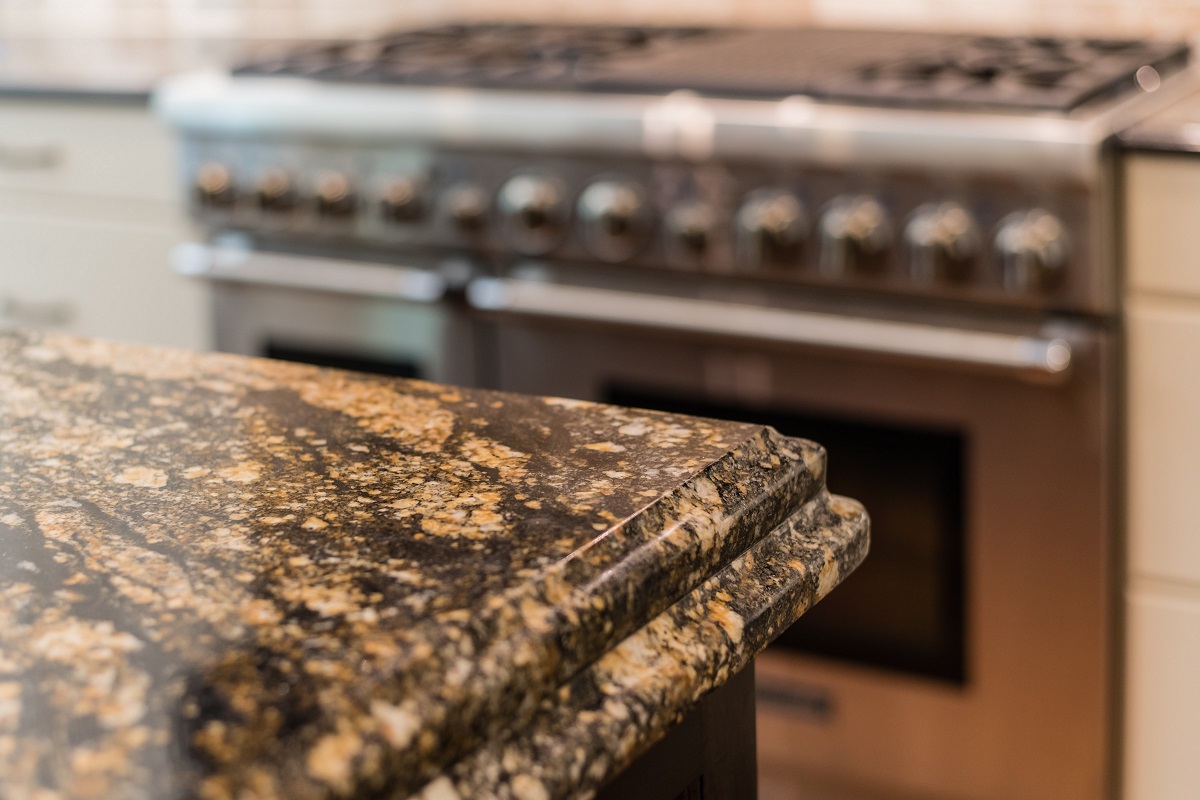
Where remnants win:
- Lower cost per square foot than ordering a new slab.
- Less material waste, since an already-cut piece gets used instead of sitting in a stone yard.
- No two pieces are exactly alike, since each one comes from a different part of the slab.
- The same hardness, heat resistance, and stain resistance as a full slab. Size is the only real difference.
Where remnants fall short:
- Limited quantity: once a specific remnant sells, matching it later usually isn’t possible.
- Sized for smaller projects, not a full kitchen countertop run.
- Fixed color and pattern: you’re picking from what’s in stock, not special-ordering.
- A project needing two remnants joined together calls for a fabricator experienced with seaming and pattern matching.
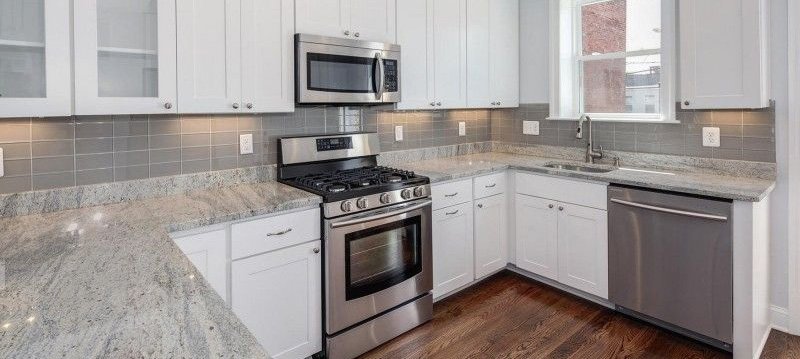
First Come, First Served on 2,000+ Remnants
Granite Selection keeps more than 2,000 quartz and granite remnants in stock, and it changes daily as pieces come in and sell. Not everything makes it onto the website, so call ahead before you drive out.
How to Check a Remnant’s Quality Before You Buy
A remnant is still a cut piece of stone, so a quick inspection before you commit can save a headache later.
- Look for cracks and chips, especially along the edges and corners, where a remnant is most likely to have been damaged in storage.
- Check for consistent color and pattern if your project needs more than one piece.
- Confirm the thickness. Most slabs come in 2cm or 3cm, and mixing the two in one project creates an uneven look at the seam.
- Ask about repairs. Small resin fills for hairline cracks are common and usually not a problem, but you should know about them before you buy.
- Bring exact measurements, including any cutouts you’ll need for a sink or cooktop.
Things to Consider When Buying Granite and Quartz Remnants
Start with Your Project’s Measurements
It’s a good idea to measure the size of your project. Most remnants accommodate small to medium-sized projects, so knowing the measurements will help determine which pieces you can use. You may be able to find multiple small pieces of the same stone, but if not, you’ll have to select something else.
If you’re combining several remnants, decide upfront whether contrasting pieces will work for your space. For example, if you need stone for a small kitchen counter, would a contrasting backsplash or island work for your space? And if so, what colors?
Picking an Edge Profile for Your Remnant
Once you’ve selected your remnants, you’ll have to choose the best edge:
- Bullnose: A rounded edge that runs from the top to the bottom of the countertop, offering a classic look for traditional spaces.
- Ogee: Also considered more traditional, this features a concave arch flowing into a convex arch and costs more than other edges.
- Beveled: A single angled cut along the top of the slab that creates a faceted, modern look.
- Square: A clean, minimalist edge that suits contemporary kitchens.
Matching a Remnant to an Existing Countertop

If you’re adding onto an existing stone surface, such as extending a kitchen counter into a new island, an exact match to your current stone is unlikely unless you kept the original offcut. Natural variation between slabs, and even within different sections of the same slab, means two pieces cut years apart rarely line up perfectly.
A close, complementary color is usually a more realistic goal than a perfect match, so bring a sample or photo of your existing countertop when you shop.
Why Remnant Installation Isn’t a DIY Job
Most quartz and granite remnant suppliers have professional design and fabrication teams that handle installation. Granite, marble, quartz, and other stone are incredibly heavy and require professional hands, especially if two pieces need to be joined together, which is often the case with remnants.
A fabricator can also advise on which stone works best for your project. A professional’s guidance can mean the difference between a quick fix and a stone installation built to last.
Where Quartz and Granite Remnants Work Best
Because remnants are sized for smaller jobs, they work especially well for:
- Bathroom and powder room vanities.
- Shower seats, ledges, and curbs.
- Floating shelves and bookends.
- Coffee tables and side tables.
- Stepping stones and garden accents.
- Kitchen and bathroom backsplashes.
- Bar tops and small islands.
The Cost of Granite and Quartz Remnants
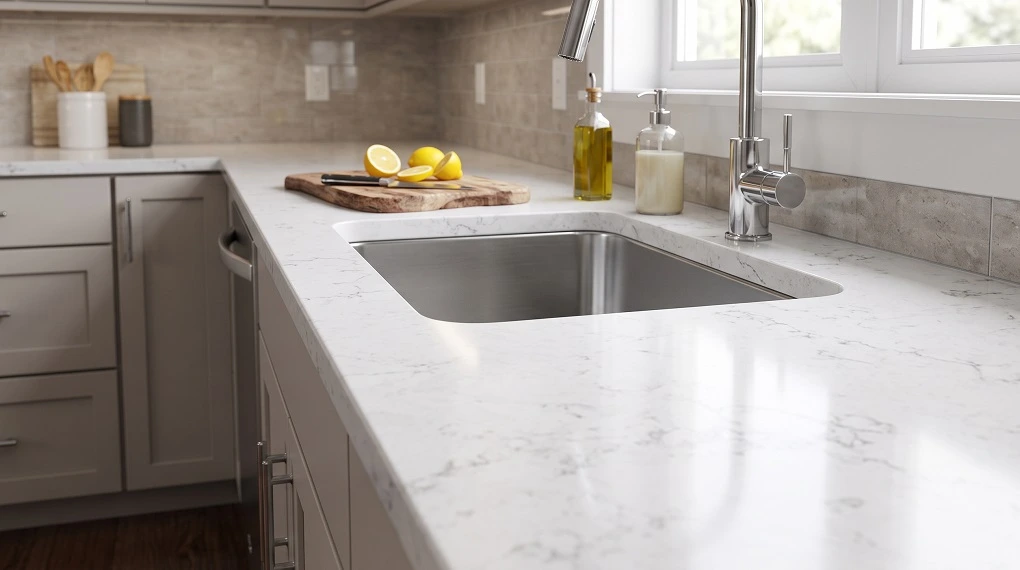
The cost of granite and quartz remnants can vary from $10 to $100 per square foot. The spread comes down to two things: the stone’s grade and how rare the color is. Standard remnant squares and slab slices in common colors tend to fall on the lower end of that range, closer to $10–$30 per square foot, while premium or hard-to-find quartz and granite colors run closer to the top.
Remnants originate from larger stones, but that doesn’t make them waste: fabricators often plan their cuts to reduce costs and keep material use efficient, so even a higher-end remnant still delivers real quality for the price.
Find Your Perfect Quartz or Granite Remnants at Granite Selection
Ready to start your next stone project? Granite Selection keeps more than 2,000 quartz and granite remnants in stock at our Elk Grove Village showroom, with new pieces added daily. Browse remnants online, or contact us with questions about sizing, edges, or installation.

Frequently Asked Questions
expand all answers-
Yes. A fabricator can cut it down, add sink or faucet cutouts, and finish the edge to your specifications, the same way they would with a full slab.
-
Yes. Ask your fabricator about combining two pieces with a matched or intentionally contrasting color, and about placing the seam somewhere it won’t stand out.
-
Yes, periodically, to resist stains and moisture. Quartz remnants don’t need sealing.